

At Anchored Allied Health, we understand you might have questions about our occupational therapy services for children and teens. We've compiled answers to some frequently asked questions to help you understand how we can support your child's development. Our team is dedicated to providing individualised care and addressing your specific concerns.
Frequently asked questions
Here are some of the most common questions we receive at Anchored Allied Health regarding our occupational therapy services. We believe in transparency and want to ensure you have all the information you need.
Does my child need occupational therapy?
Every child develops at their own pace, but if you're noticing ongoing challenges that are impacting daily life, OT may be helpful. Occupational therapy can support children and teens to build independence, confidence, and functional skills.
Your child might benefit from OT if they:
Have a physical, intellectual or cognitive disability or difficulties in any areas.
Have trouble with everyday tasks like dressing, feeding, or using the toilet
Struggle with handwriting, pencil grasp, or using scissors
Avoid messy play, certain textures, or loud environments
Become easily overwhelmed, frustrated, or dysregulated
Have difficulty with transitions or following routines
Show low confidence or avoid trying new tasks
Struggle to stay focused or complete tasks
Have trouble with motor skills, balance, or coordination
Need help developing social or play skills
Having difficulties with Mental health
Are preparing for school or need support adjusting to school expectations
Are working toward greater independence in the community (e.g. shopping, public transport)
If you're unsure, we're always happy to talk through your concerns. You don’t need a referral to book an assessment.


What do OT's do?
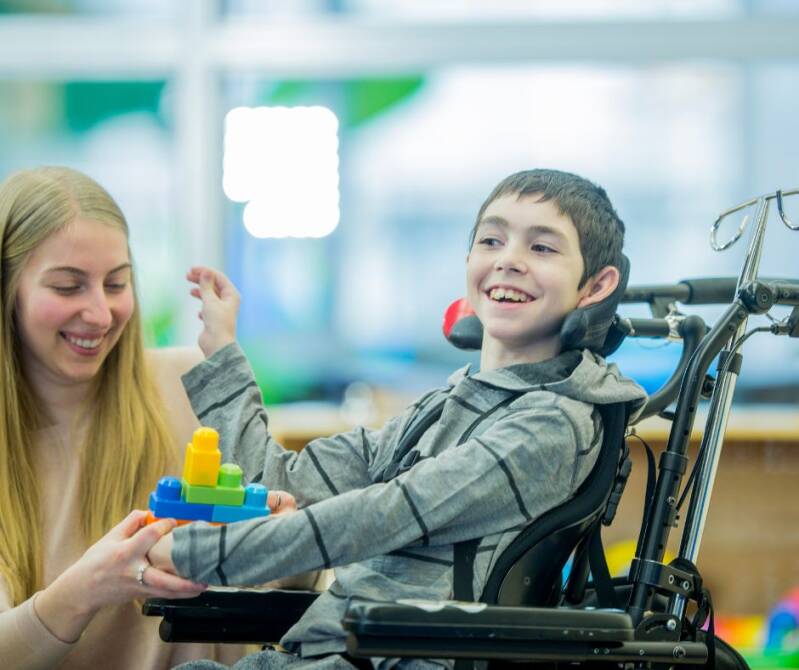
Occupational therapists help people participate in the activities that matter most to them — at home, school, and in the community. At Anchored Allied Health, we support children, teens, and families through individualised, strengths-based therapy. We can work on anything but the most common things we do are:
🧠 Emotional regulation and managing big feelings
✍️ Fine motor skills – handwriting, scissors, tying shoelaces
🏃 Gross motor skills – coordination, strength, balance
🧩 Sensory processing – managing how the body reacts to sounds, touch, movement
⏱️ Executive functioning – focus, task initiation, routines
🪞 Self-care – feeding, dressing, toileting, brushing teeth
🎓 School participation – classroom skills, transitions, attention
💬 Social and play skills – communication, flexibility, turn taking
📱 Life skills – planning, problem solving, independence in daily life
🛍️ Community access – shopping, using money, road safety, public transport
🛠️ Adaptive equipment and assistive technology – recommending and trialling tools such as pencil grips, specialised cutlery, wheelchair supports, positioning aids, and home modifications
Pricing
Transparent Pricing
At Anchored Allied Health, all services are charged in line with the current NDIS Pricing Arrangements and Price Limits. This ensures pricing remains fair, transparent, and consistent with industry standards.
Travel Charges
Travel is charged at 50% of the applicable NDIS hourly rate, in accordance with NDIS guidelines. Unlike many providers, travel charges are capped at a maximum of 20 minutes each way, regardless of the actual travel time. In reality, travel between clients often exceeds 30 minutes, however we have chosen to place a cap on travel costs to help keep services affordable for families.
No Hidden Fees
All fees and charges will be discussed with you prior to commencing services. We believe in clear communication and transparency, so you'll always know what to expect before receiving a service, report, or assessment.
Where do you service ?
Service Locations
Lori works from the Eastside Speech Solutions clinic in Randwick on Mondays and Fridays, offering clinic-based occupational therapy appointments.
On Tuesdays, Wednesdays and Thursdays, Lori provides mobile occupational therapy services across Sydney. Based in the Eastern Suburbs, she travels up to approximately 30 minutes from Coogee to provide therapy in homes, schools, preschools, childcare centres and community settings.
Areas serviced include:
Coogee, Randwick, Clovelly, Bronte, Bondi, Bondi Junction, Tamarama, Queens Park, Kensington, Kingsford, Maroubra, Matraville, Pagewood, Rosebery, Mascot, Botany, Alexandria, Waterloo, Zetland, Redfern, Surry Hills, Darlinghurst, Paddington, Moore Park, Woollahra, Double Bay, Rose Bay, Vaucluse, Bellevue Hill, Edgecliff, Chippendale, Camperdown, Newtown, Erskineville, St Peters, Marrickville, Dulwich Hill, Petersham, Lewisham, Summer Hill, Ashfield, Croydon, Burwood, Strathfield, Homebush, Five Dock, Drummoyne, Concord, Leichhardt, Lilyfield, Rozelle, Balmain, Annandale, Glebe, Forest Lodge, Pyrmont and Ultimo.
Other locations may be available upon request. Please get in touch to discuss availability in your area.
Your questions answered
Still have questions? We're here to help! Contact Anchoredalliedhealth@gmail.com